
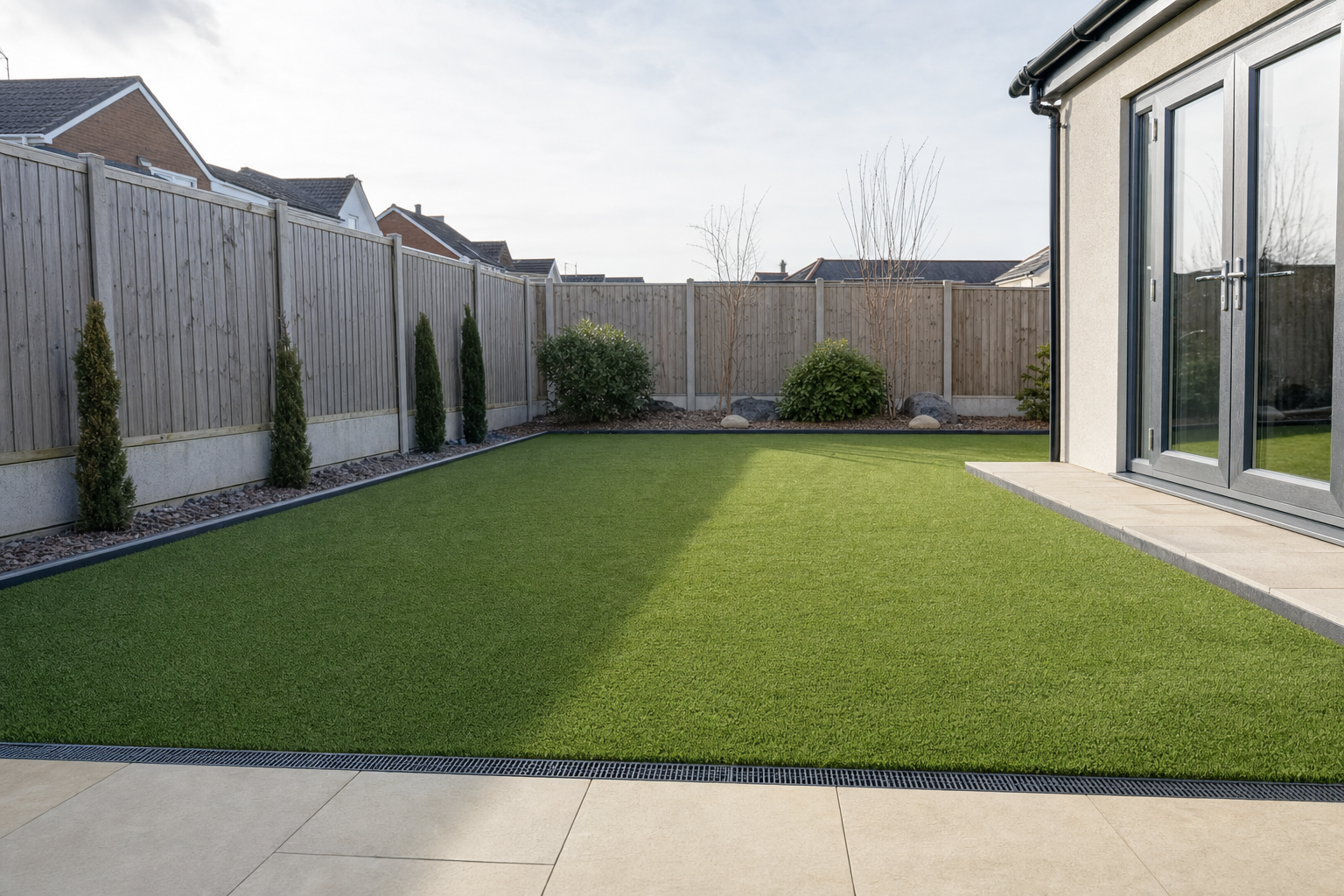
What helps a new lawn look right for longer
Choice based on your usage
Pets, play, shade and upkeep all shape whether grass or turf suits you better.
Edges finished neatly
Defined borders help the new lawn meet paving and paths without messy gaps.
Detailed preparation
Preparation affects drainage, wear and how even the finished surface feels.
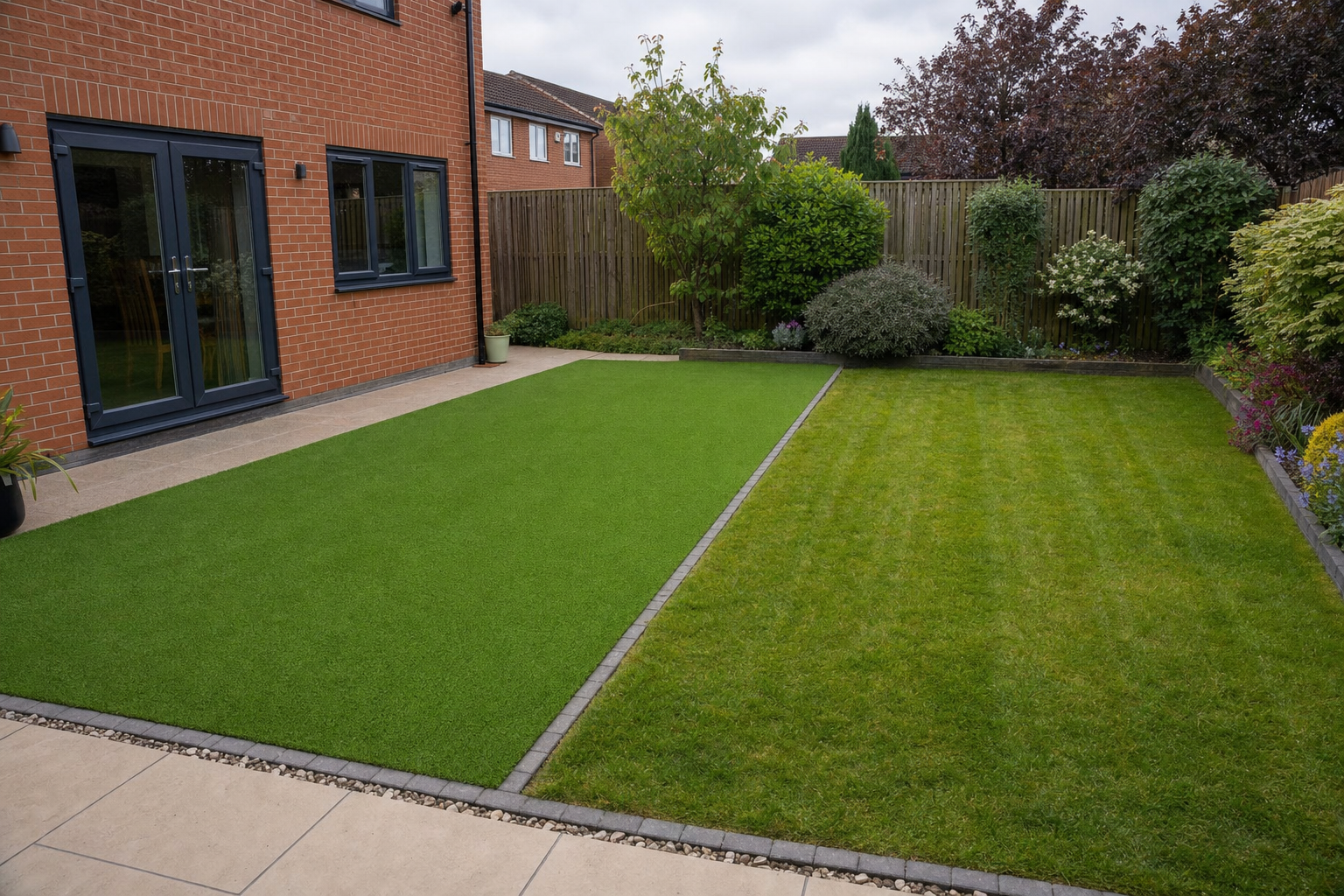
Choosing the right lawn surface for how you live
A lawn has a hard life if it deals with shade, pets, children, regular foot traffic or very little patience for maintenance. That is why the right answer is not the same on every property. Artificial grass can suit customers who want a neat surface with less routine mowing and mud, while natural turf suits those who want the look and feel of a real lawn and are happy to care for it. With DW Contractors Ltd, we talk through appearance, wear, drainage and upkeep before deciding which route fits the garden best, rather than treating both options as the same job.
Preparation and levels decide how the lawn will sit
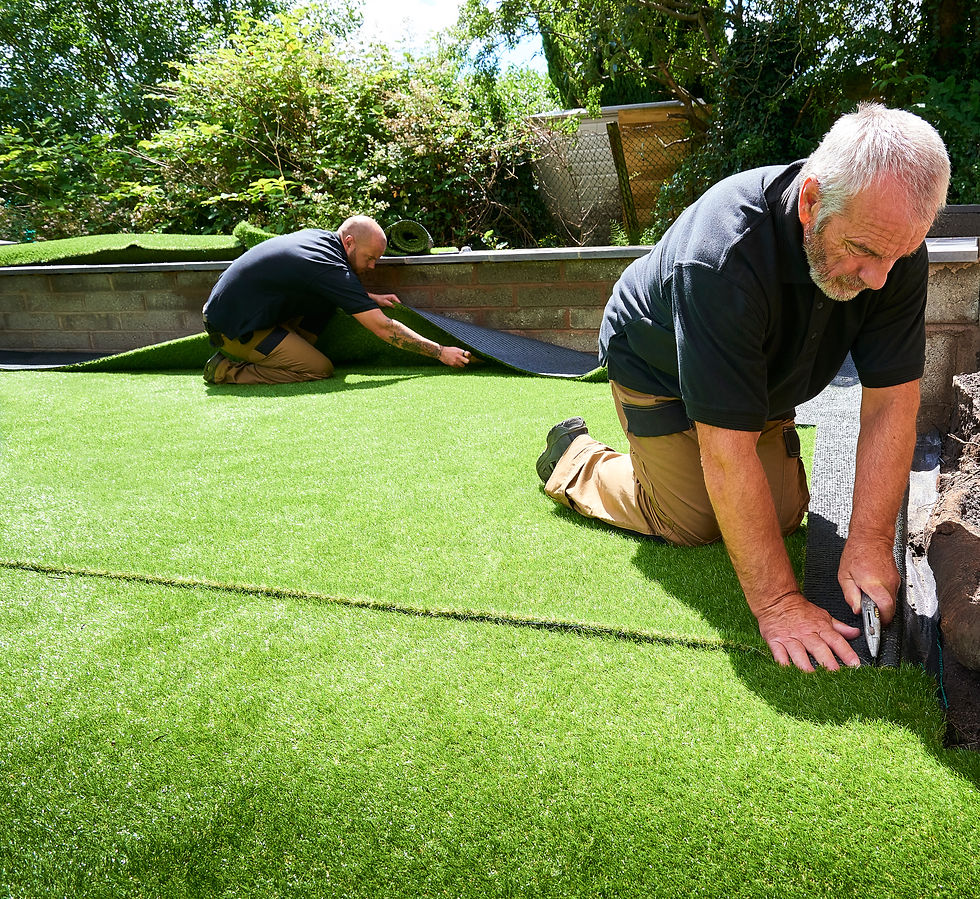
For artificial grass, the work is in the preparation: excavation, a stable free-draining base, weed-control layers, secure edges, careful jointing and an even finish. For turfing, the focus shifts to soil preparation, levelling, turf placement, firm contact and the early watering and establishment period. We help you think about how the new lawn meets patios, paths and borders, because clean levels and defined edges make a big difference to the finished look, whichever surface you choose.
Frequently asked questions
Which is better for a busy family garden?
It depends on how the garden is used and how much upkeep you want. Artificial grass can suit heavy wear and reduce muddy patches, while natural turf gives a softer, more traditional lawn if you are happy with mowing and seasonal care. We weigh up use, drainage, shade and maintenance before advising.
Can uneven ground be corrected before the lawn goes in?
Yes, and it often should be. Poor levels make lawns harder to use and can spoil how the surface meets surrounding paving or borders. We assess the existing ground and plan the preparation accordingly, whether that means levelling for turf or building the right free-draining base for artificial grass.
What care is needed after installation?
That depends on the surface chosen. New turf needs early watering and time to establish properly, while artificial grass benefits from being kept clear of debris and checked for moss or local damage. We talk you through the early aftercare, because the first weeks make a difference to the finished result.